Region

Blue Regions (from the door)
Rideable area ~3,000 km²
· Krk Island
· Coastal Mountains
· Gorski Kotar

Green Regions (with logistics)
Rideable area expands to
~7,000 km²
· Istria (car or long ride)
·
Cres Island (short ferry)
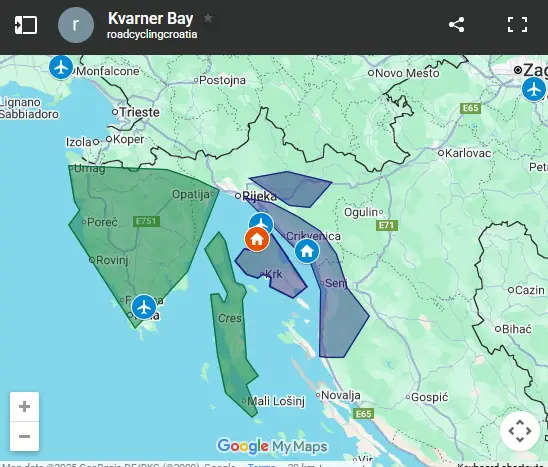
Kvarner Bay Map

🔴 Your Base House (Njivice, Krk Island)
🔵 Our House (Povile, 40 km from Njivice)

Tap a region or house for terrain and accommodation details.

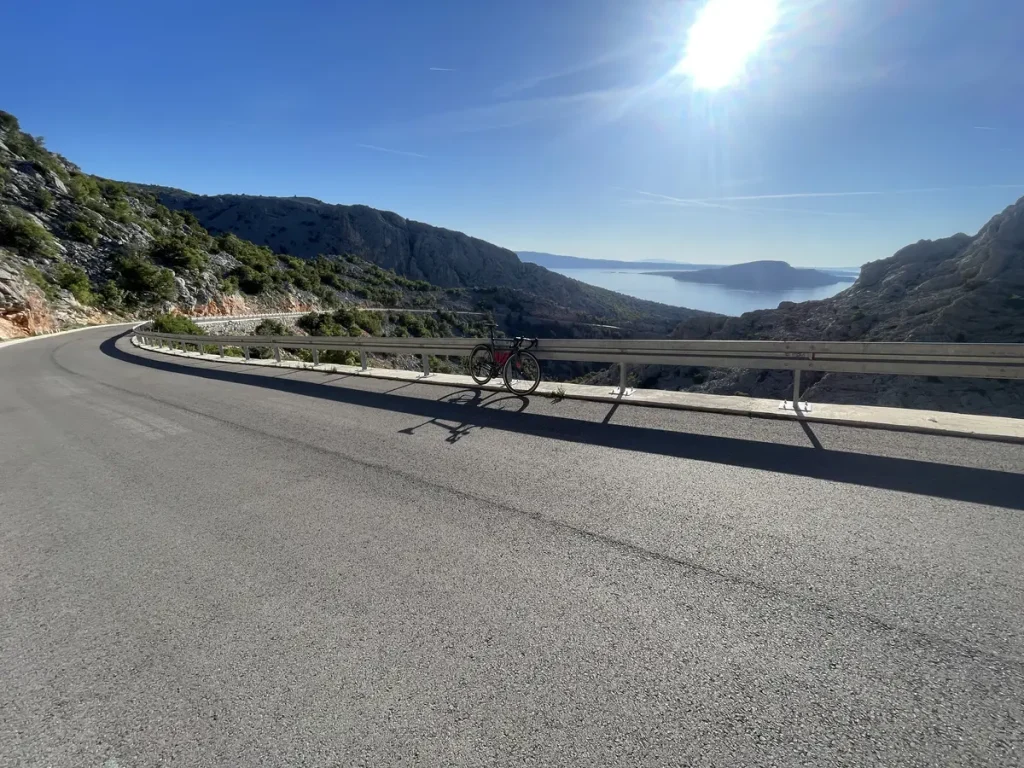
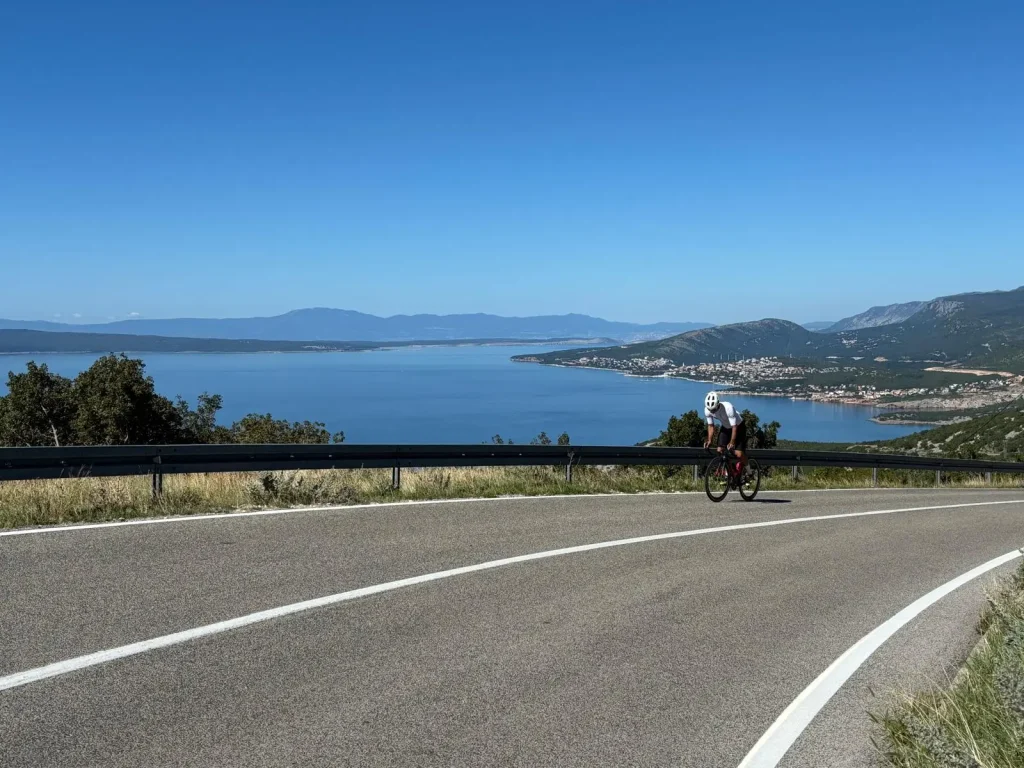
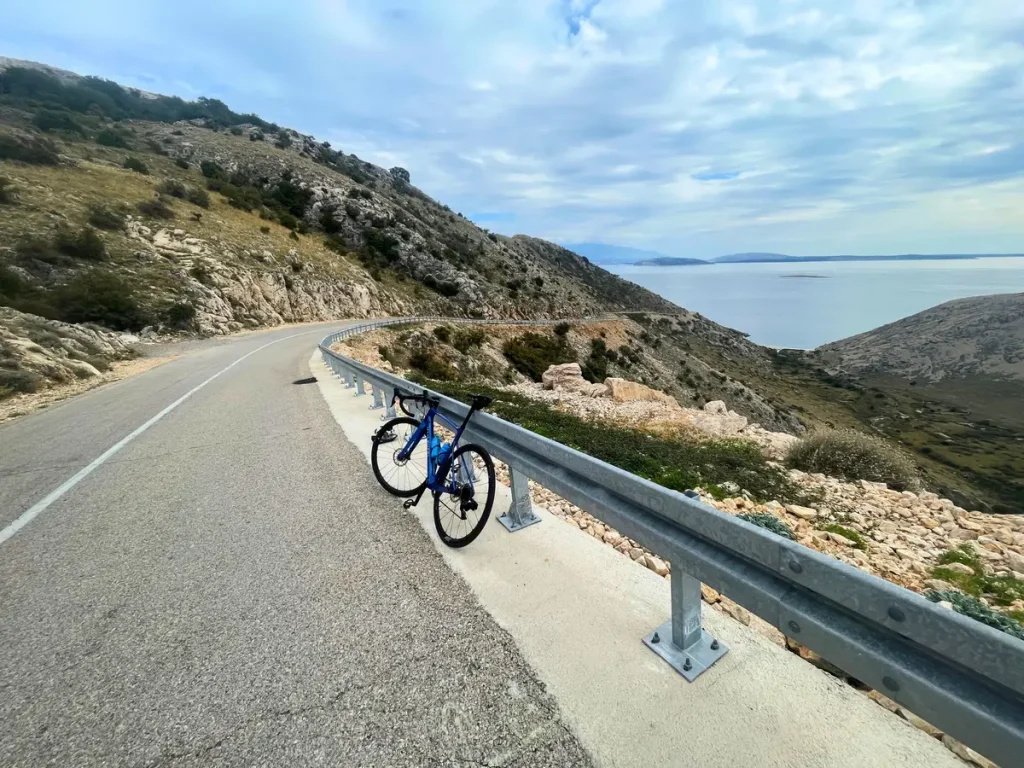
Coastal Mountains
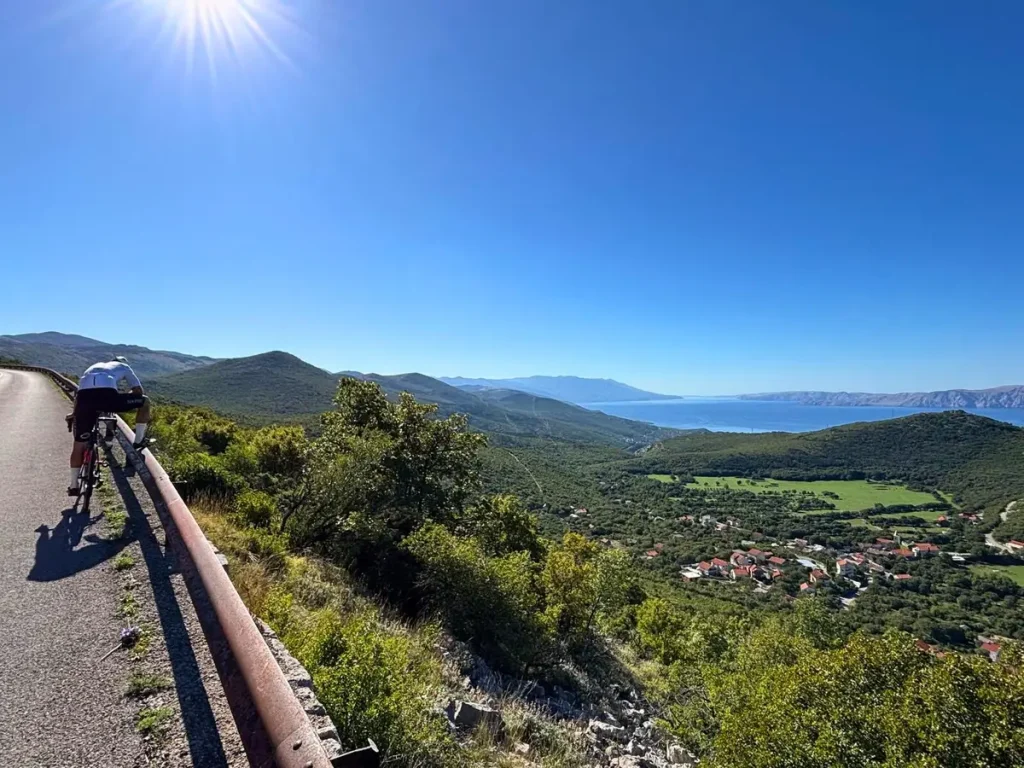
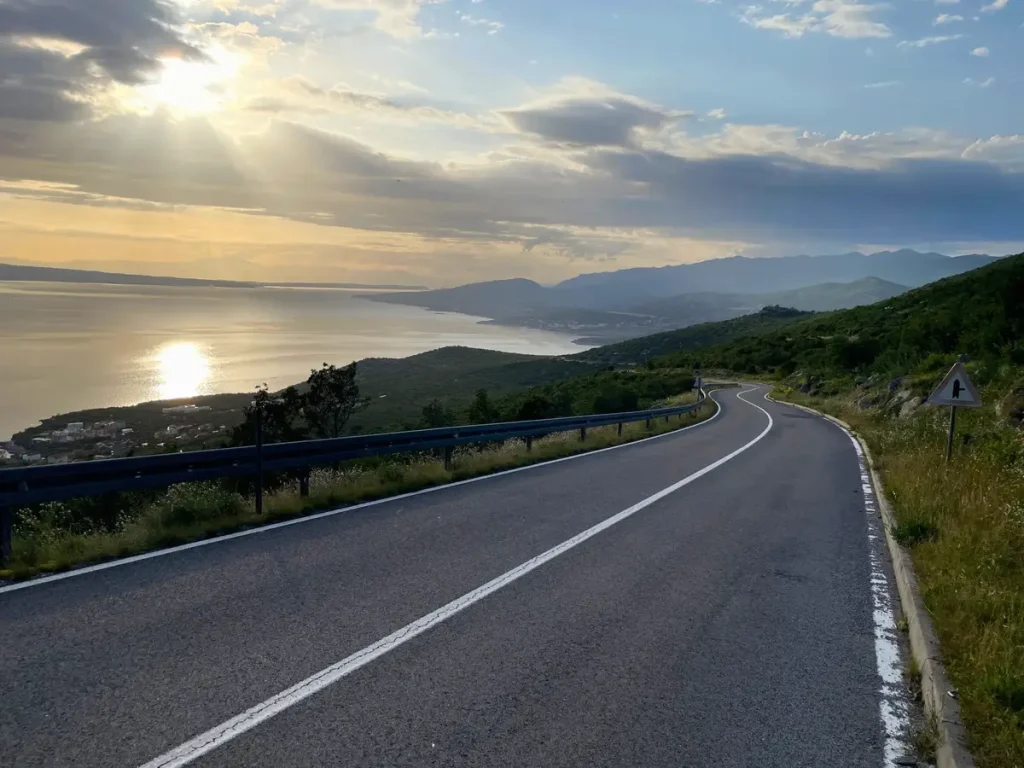
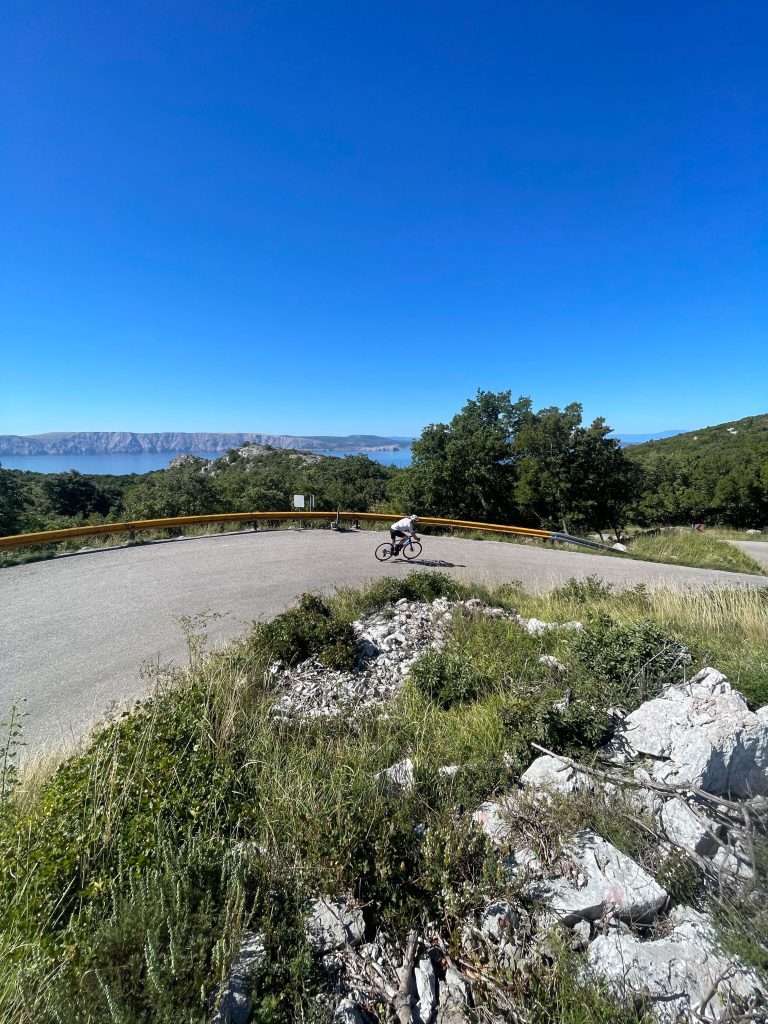
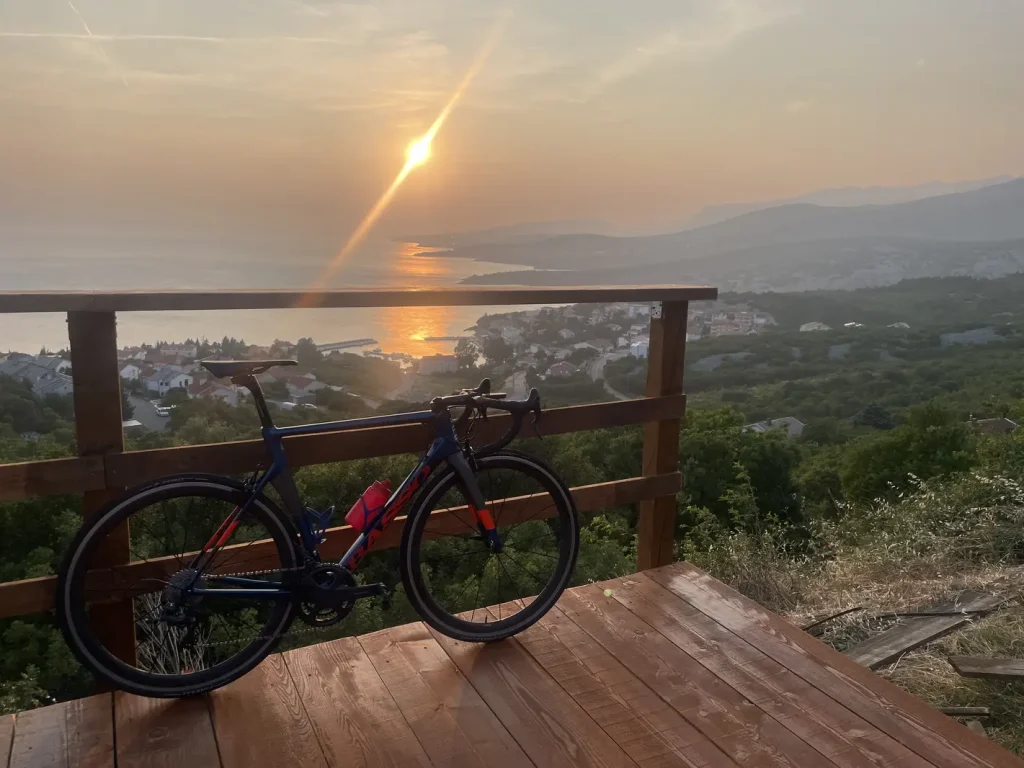
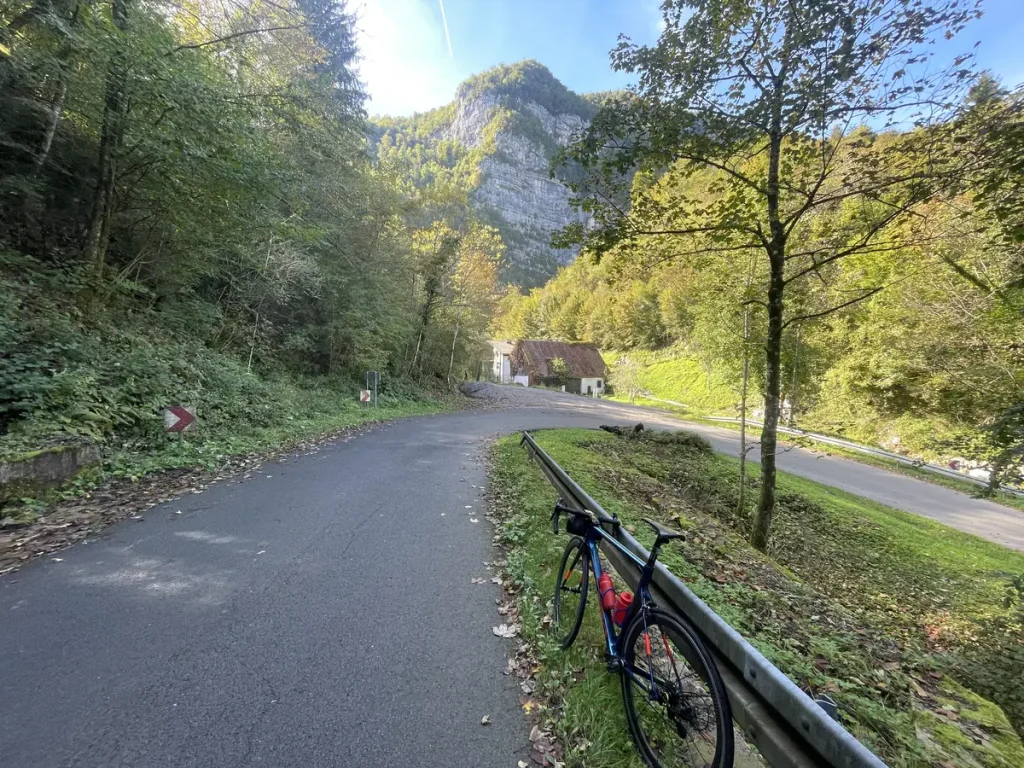
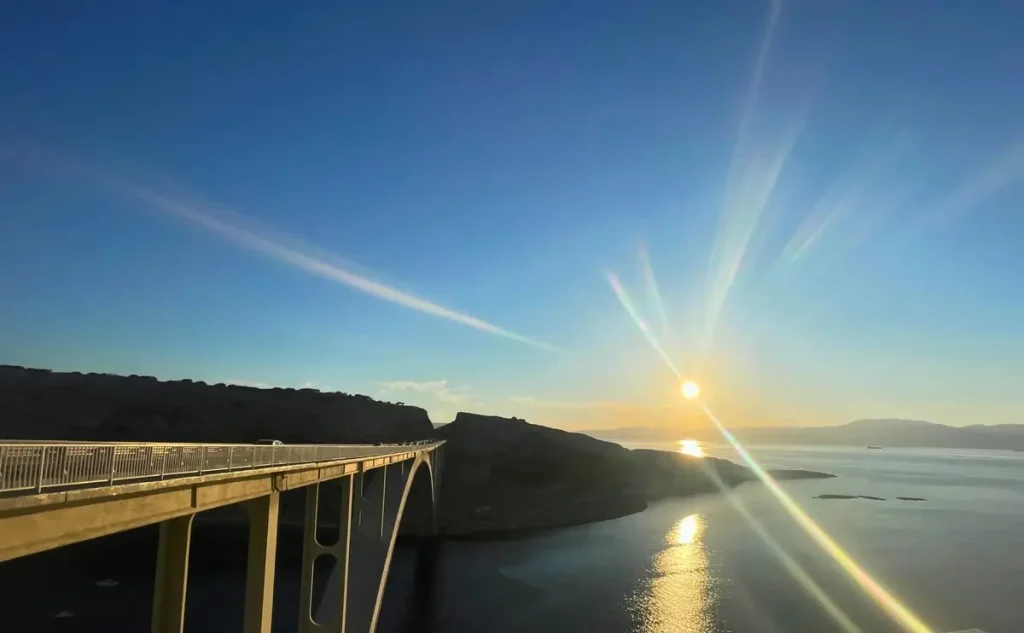
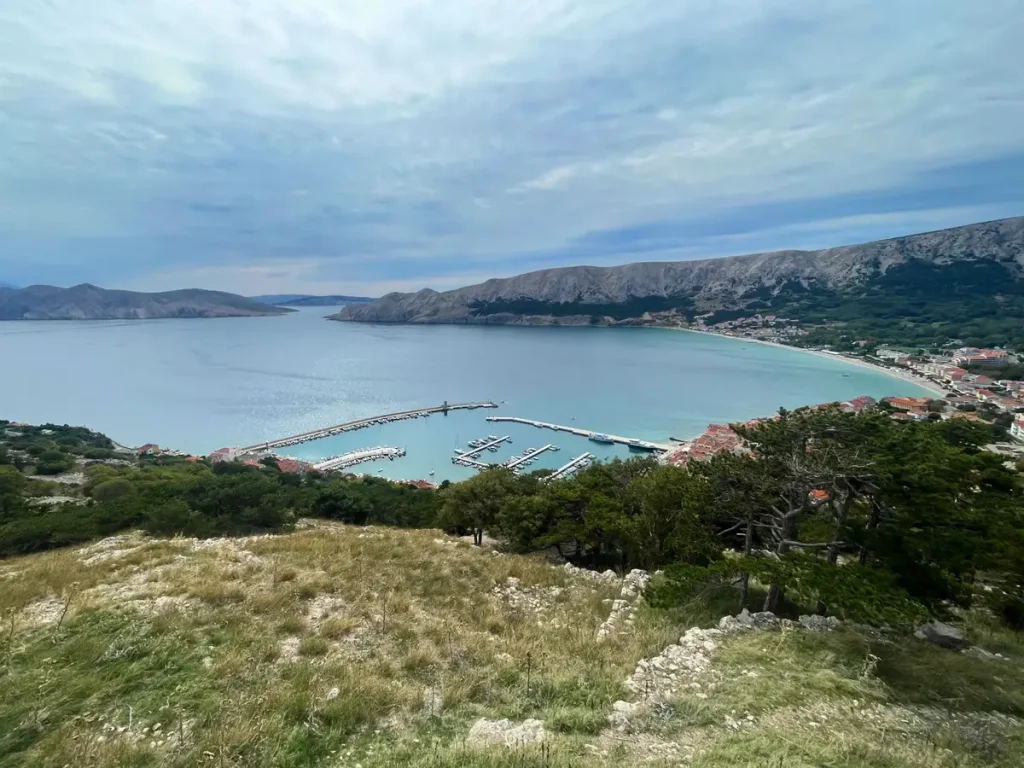
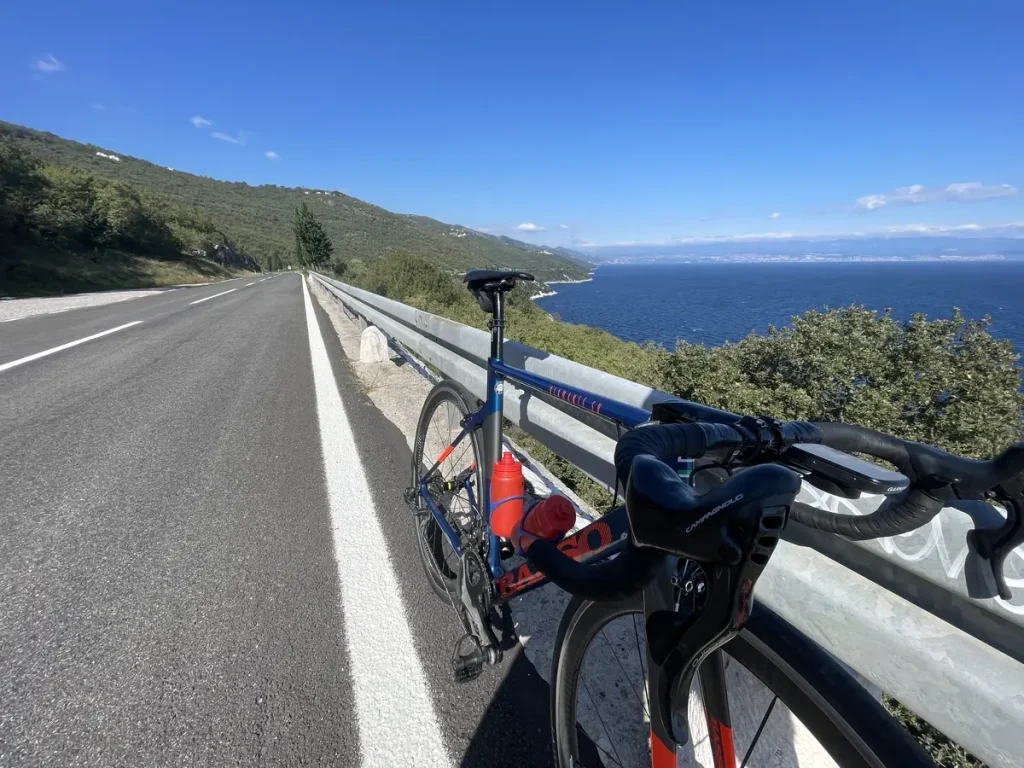
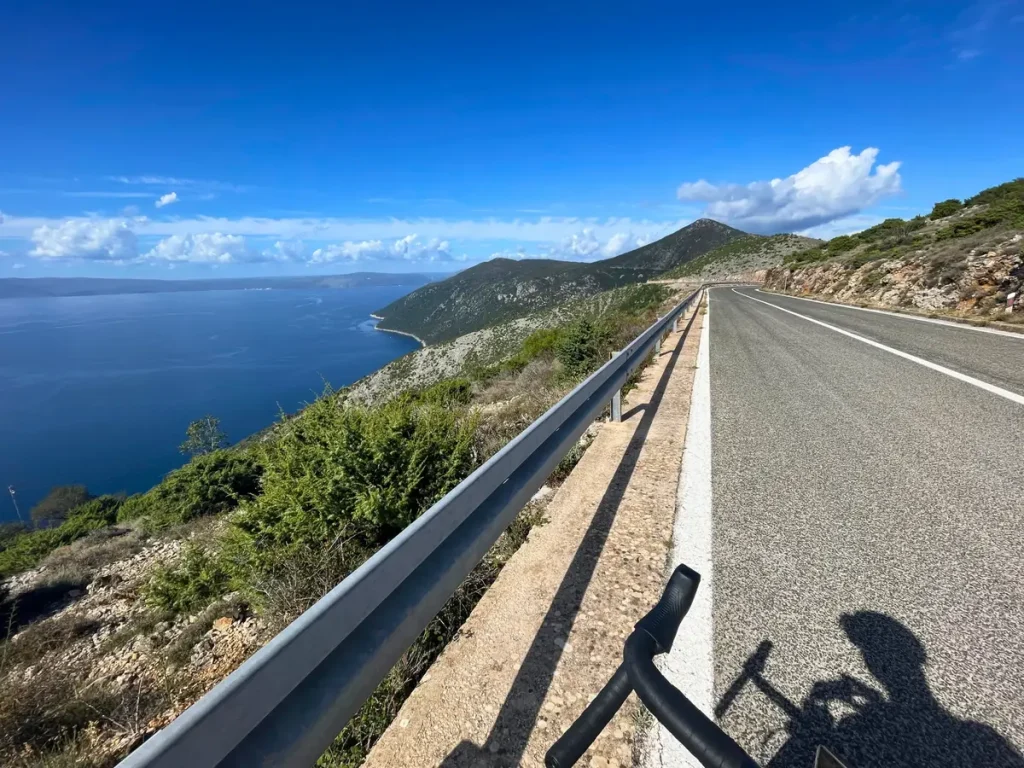
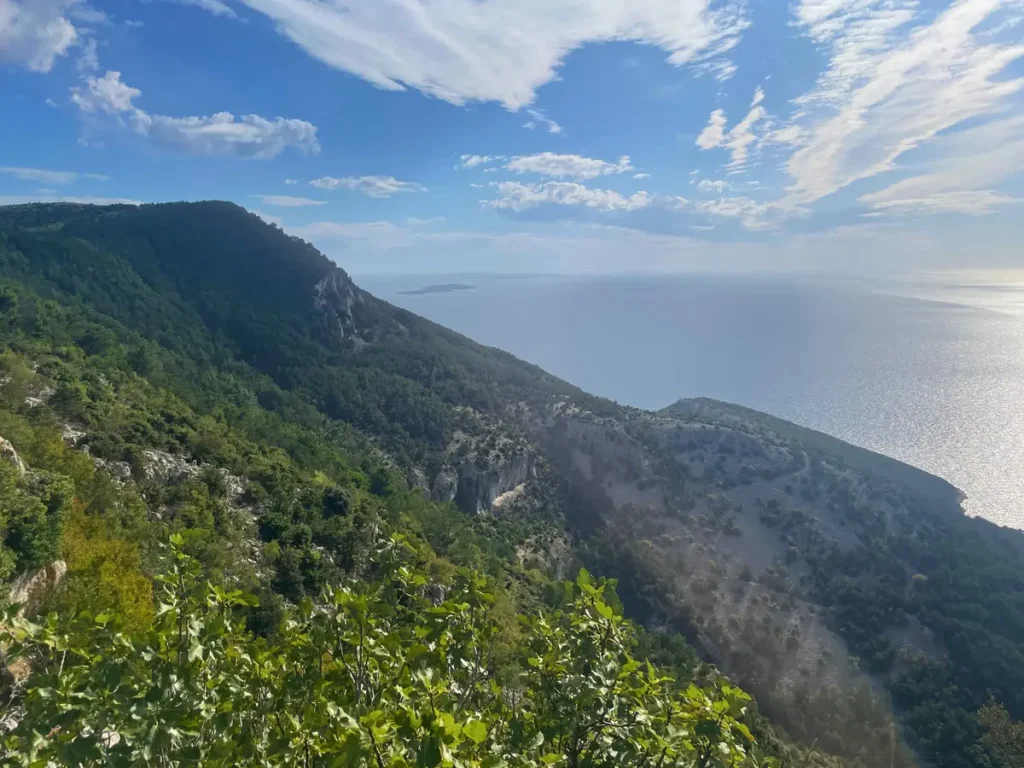
Just beyond the Krk Bridge begins my main playground — the coastal mountains. This stretch of road is the heart of cycling in Kvarner Bay: dramatic climbs, endless views over the Adriatic, and terrain that can challenge even the strongest riders. It’s where I ride most often, and for good reason.

Character: A stunning 70 km ribbon of road running from Rijeka to Northern Velebit National Park, carved between sea and mountains. Spectacular views at every turn.
Climbs: Long ascents of 10–20 km, ranging from steady efforts to brutally steep, all rewarding you with sweeping views of the bay.
Hidden gems: Countless shorter, steep climbs tucked into the hills — perfect for testing your legs and adding intensity.
Experience: This is Kvarner’s signature cycling terrain — demanding, beautiful, and endlessly rewarding. Even after years of riding here, there are still roads that surprise me.

👉 Rideable year round. In February and March climbs are usually limited to ~300–400 m due to colder air; on sunny days it’s possible to reach higher, though descents are cold.

And if you keep heading inland beyond these coastal roads, the air cools and the terrain changes completely — welcome to Gorski Kotar.

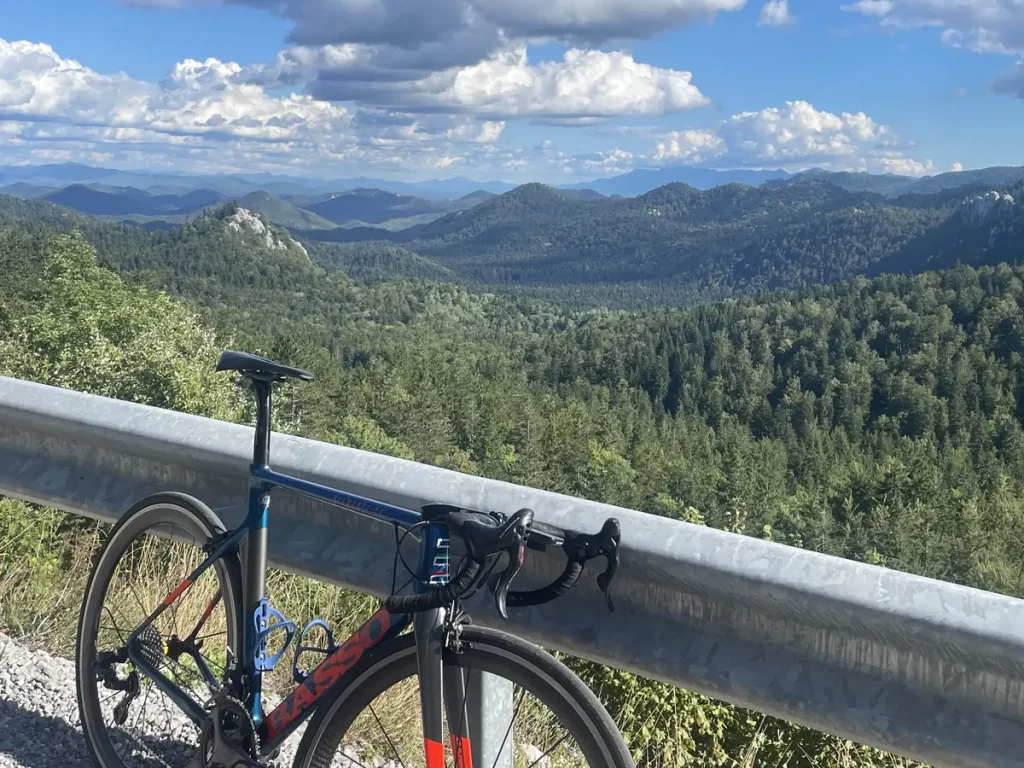
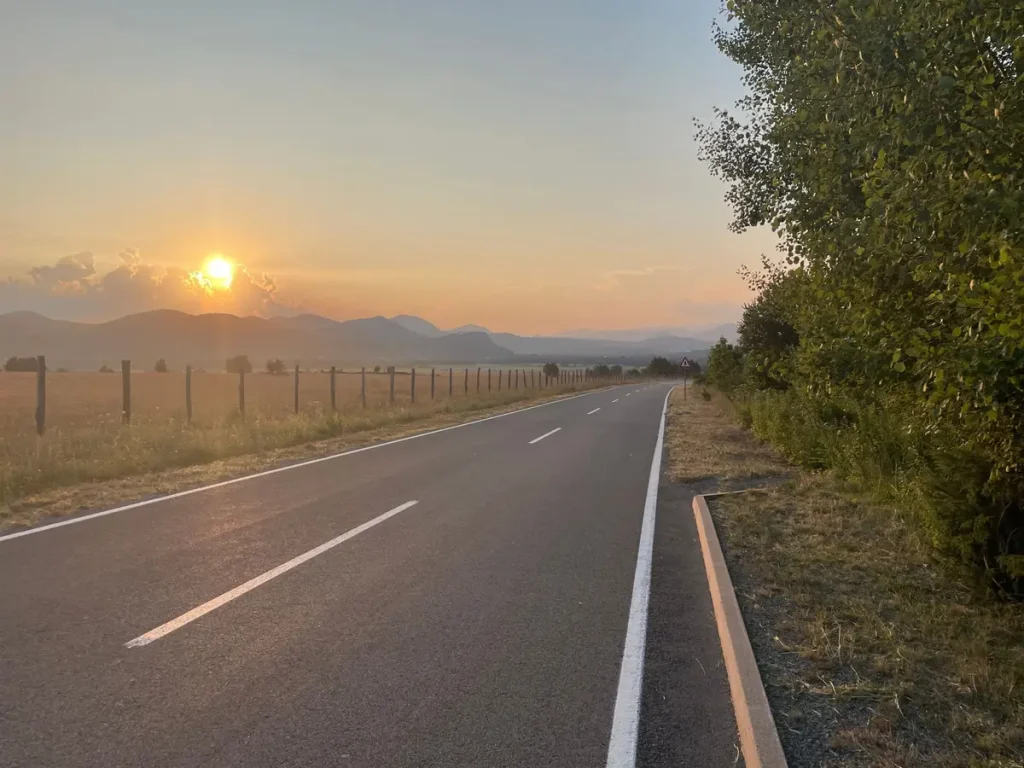
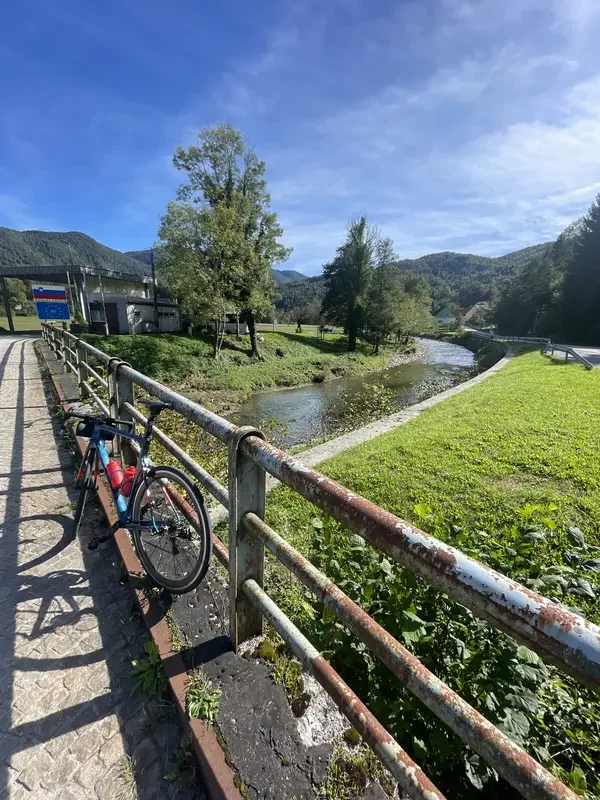
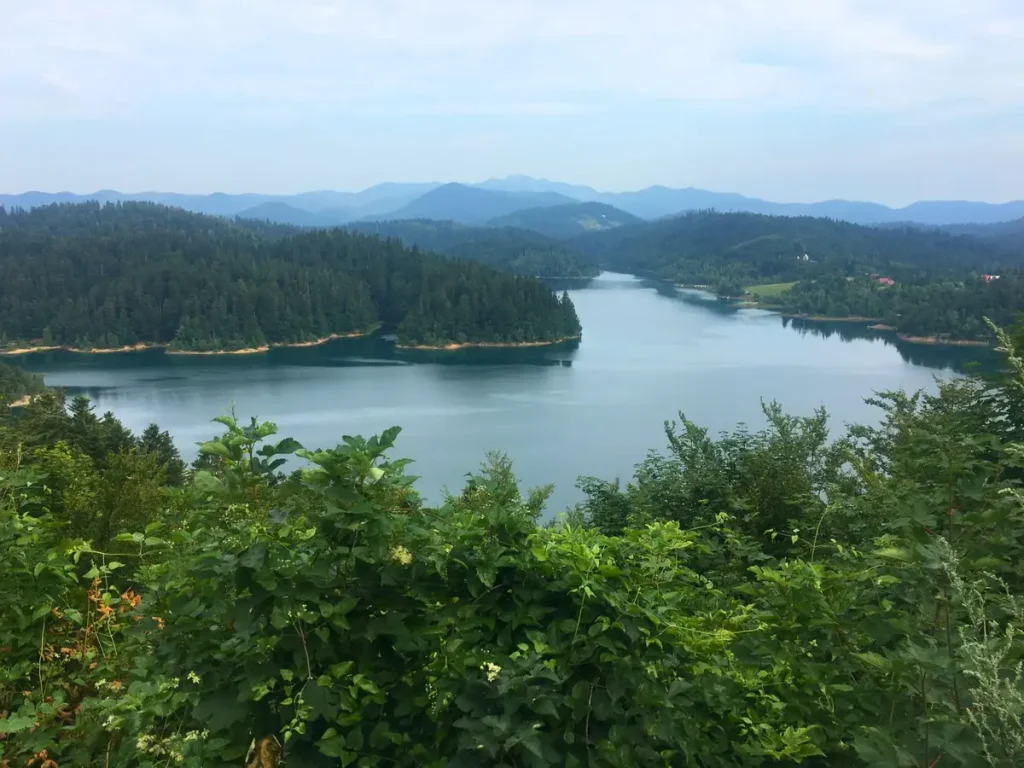
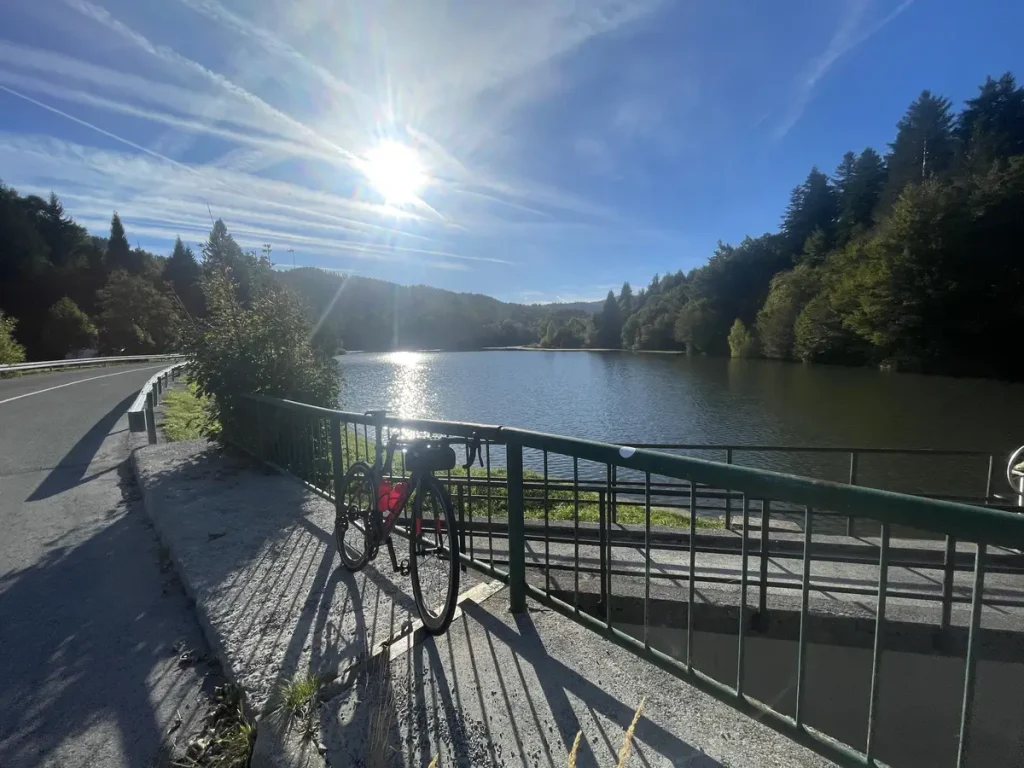
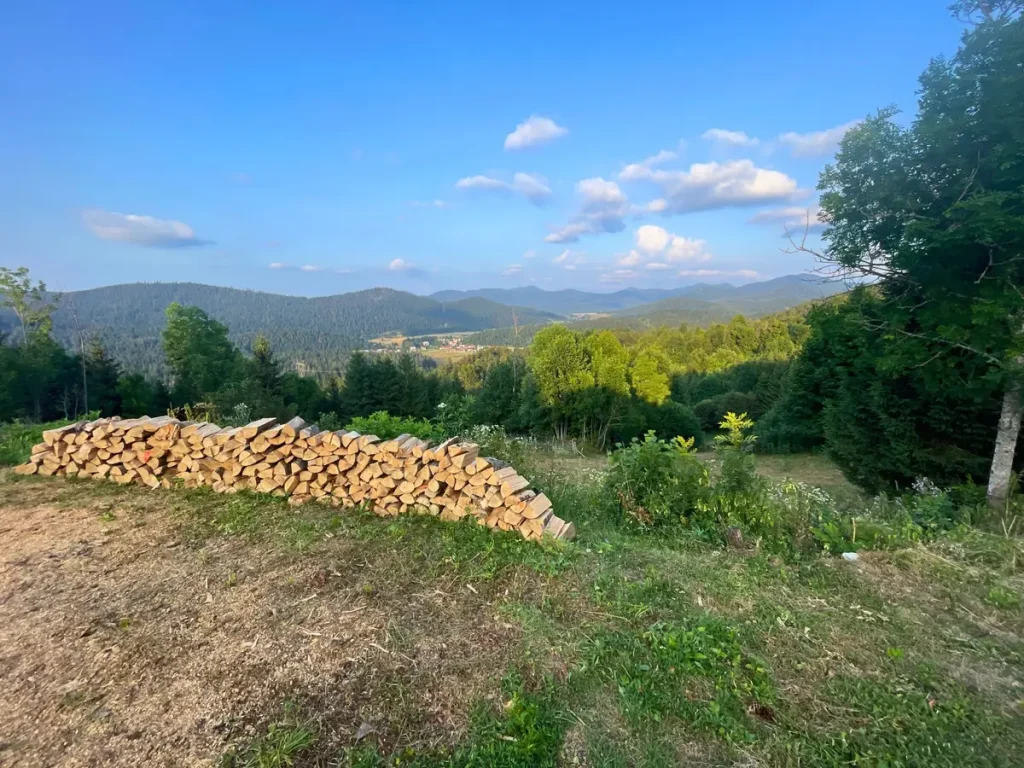
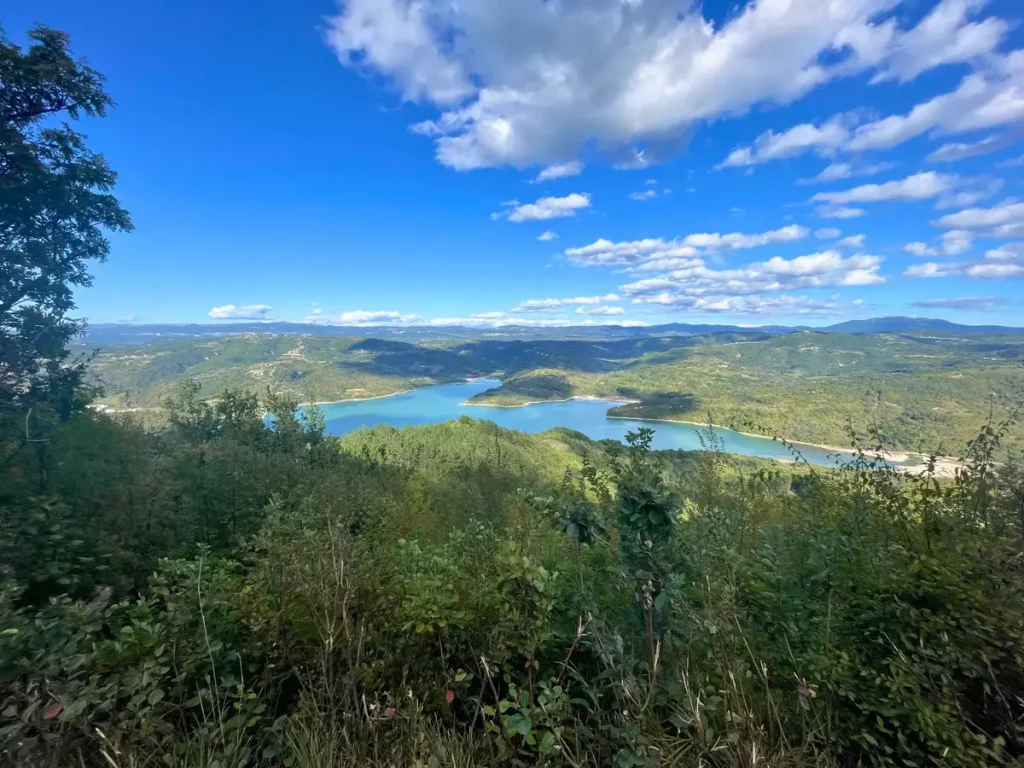
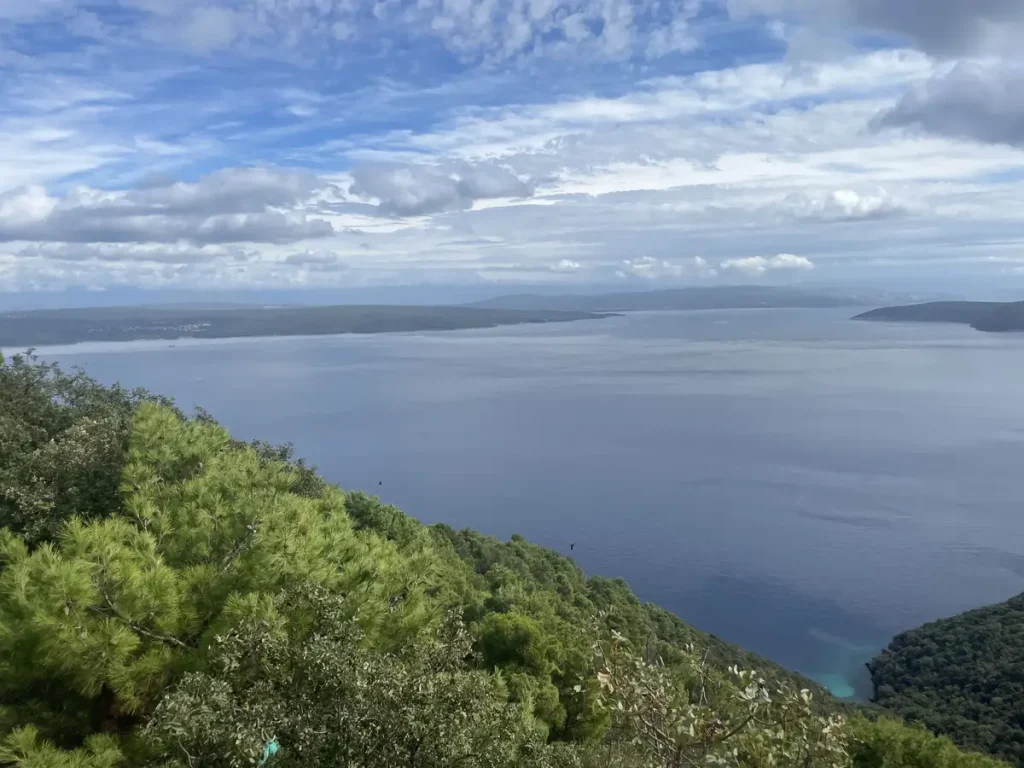
Character: Often called the “green lungs of Croatia,” this mountainous region is a sanctuary of dense forests, lakes, rivers, and quiet villages.
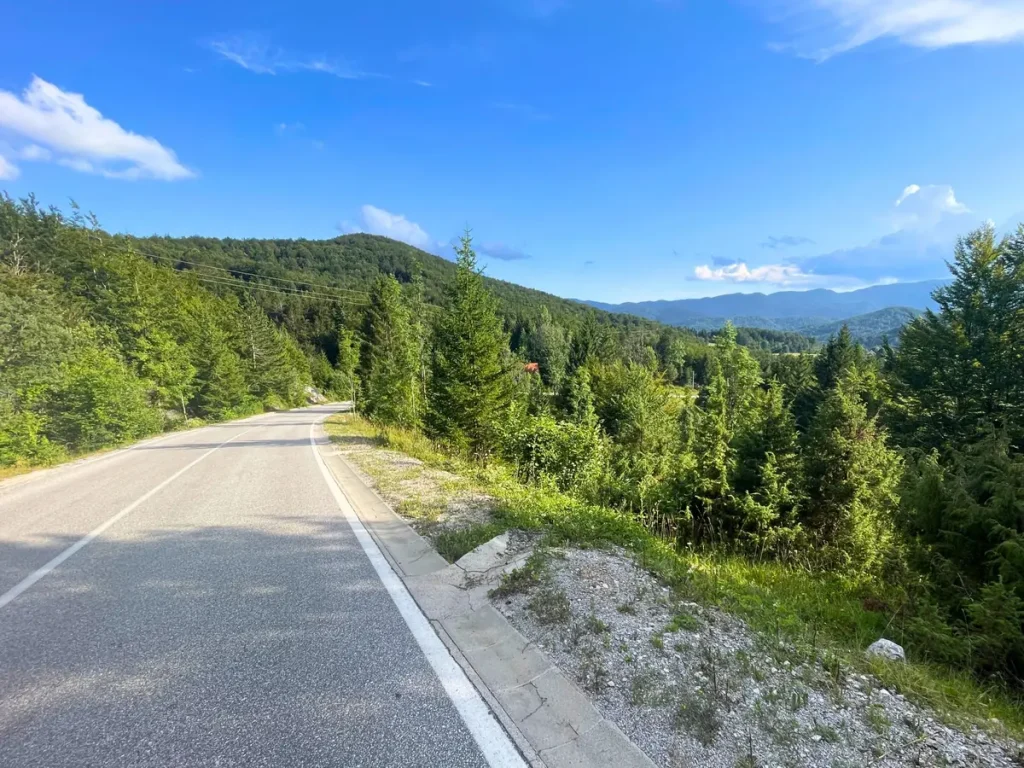
Climbs: Once you’re up around 800 m, the terrain rolls endlessly with short but frequent climbs that constantly test your rhythm.
Conditions: Temperatures are usually 10–15 °C cooler than the coast, making it an ideal escape from the heat.
Experience: A refreshing change of scenery — twisting roads, alpine lakes, and peaks in every direction, offering a totally different kind of ride compared to the coast.

👉 Rideable May–September. On sunny days, it can be possible from early March, though conditions are often chilly.

Gorski Kotar

Krk Island
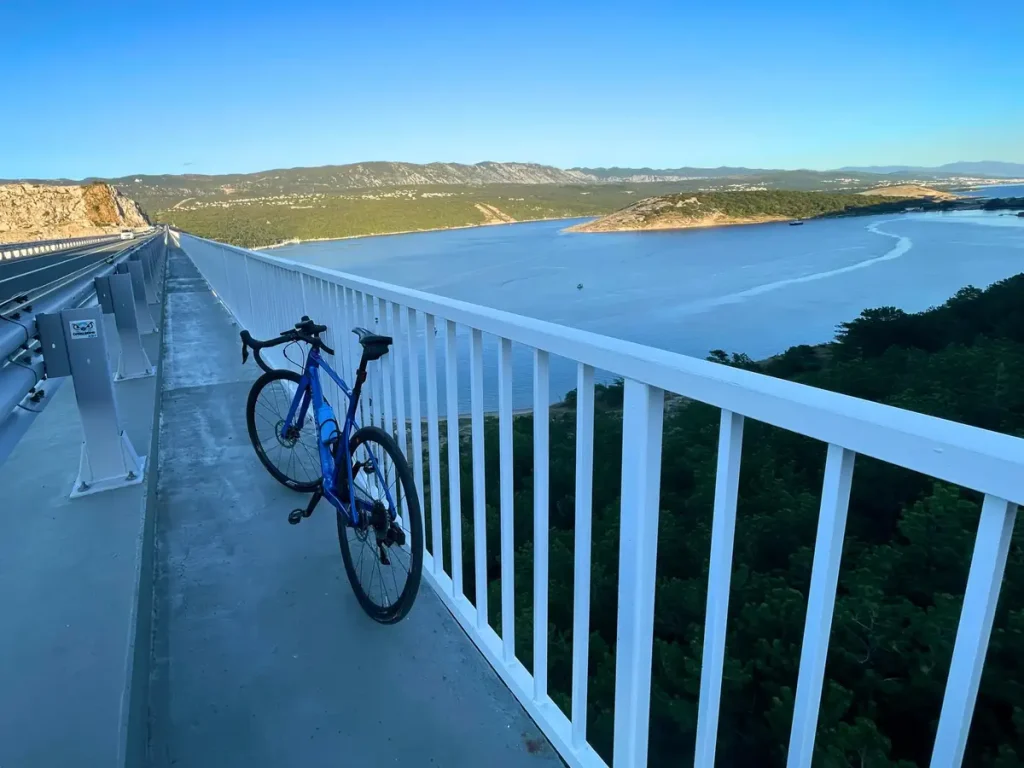
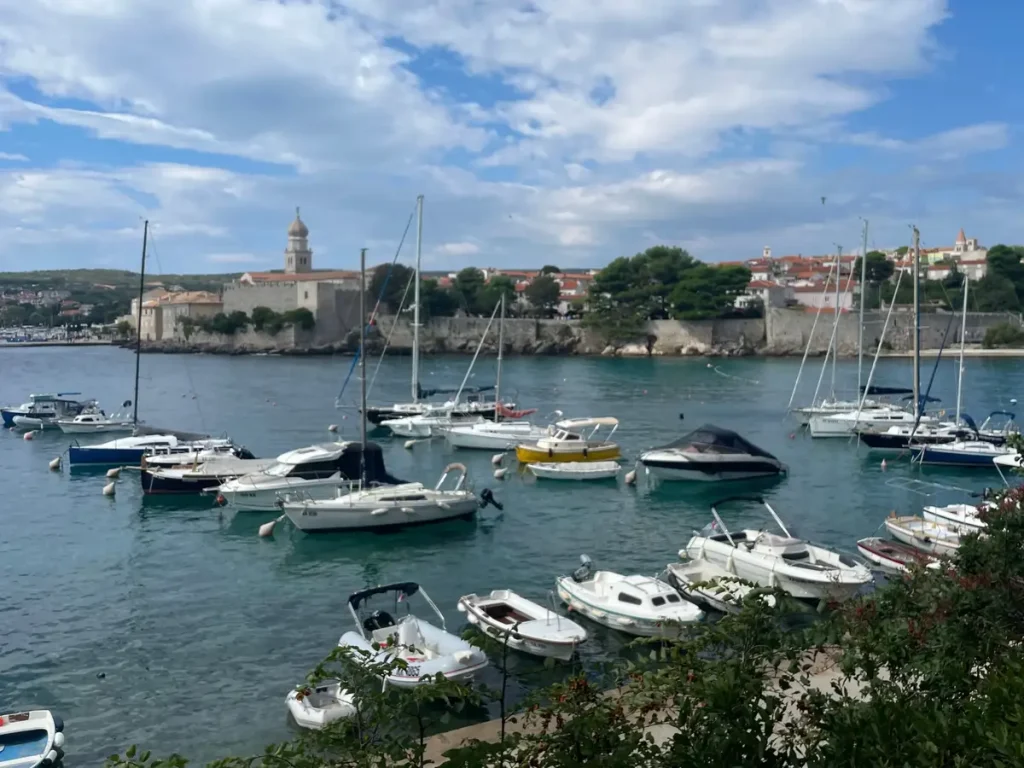
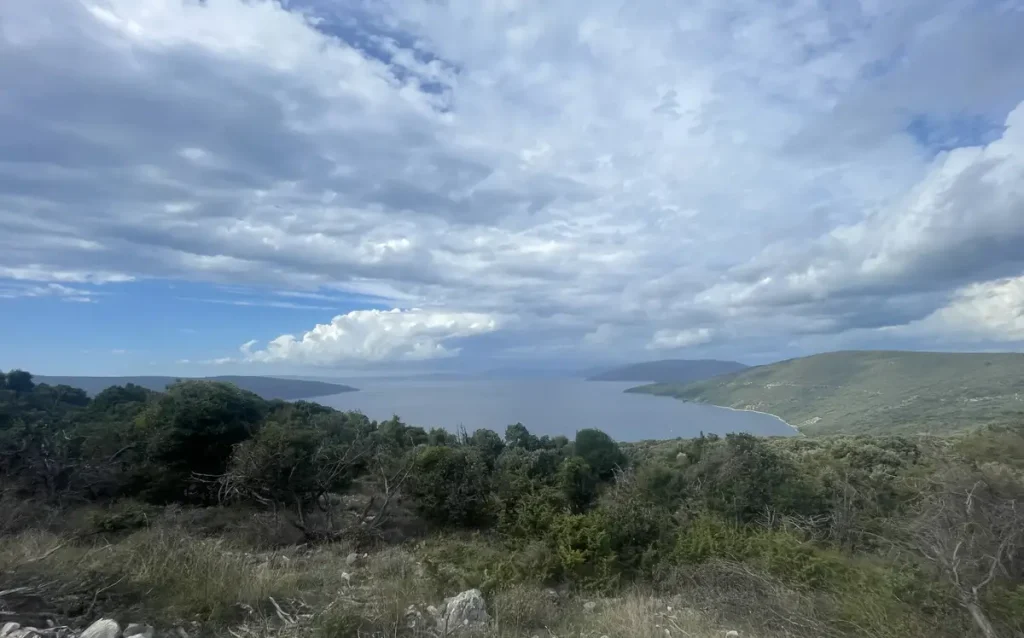
Back at sea level, your base is on Krk Island — Croatia’s largest island and the perfect mix of coastal roads and rolling inland terrain.

Character: Connected to the mainland by a 1,400 m bridge, Krk combines rugged coastal roads with inland routes through olive groves and vineyards.
Climbs: Expect plenty of sharp 3–5 km climbs scattered across the island, demanding despite their short length.
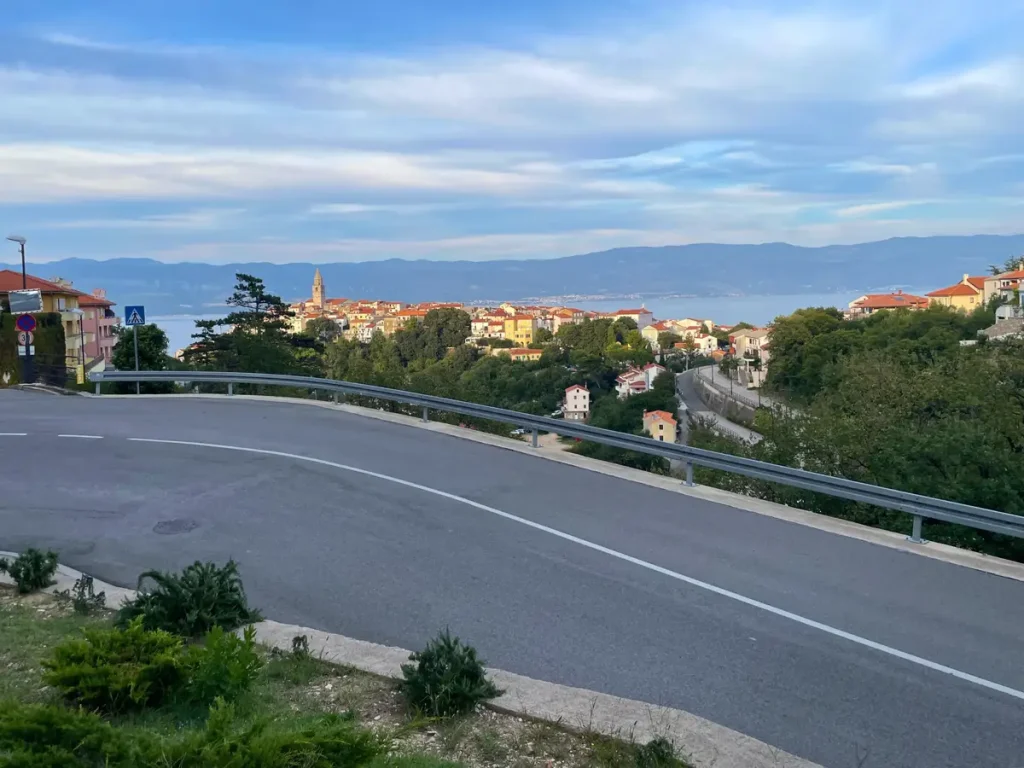
Highlights: Vrbnik, a hilltop town with panoramic views.
Racing: In 2023, Krk was added to the Cro Race route for the first time (stage 4), confirming its status as a pro-level cycling destination.

👉 Rideable year-round. Even in winter the temperatures stay mild enough for regular riding.

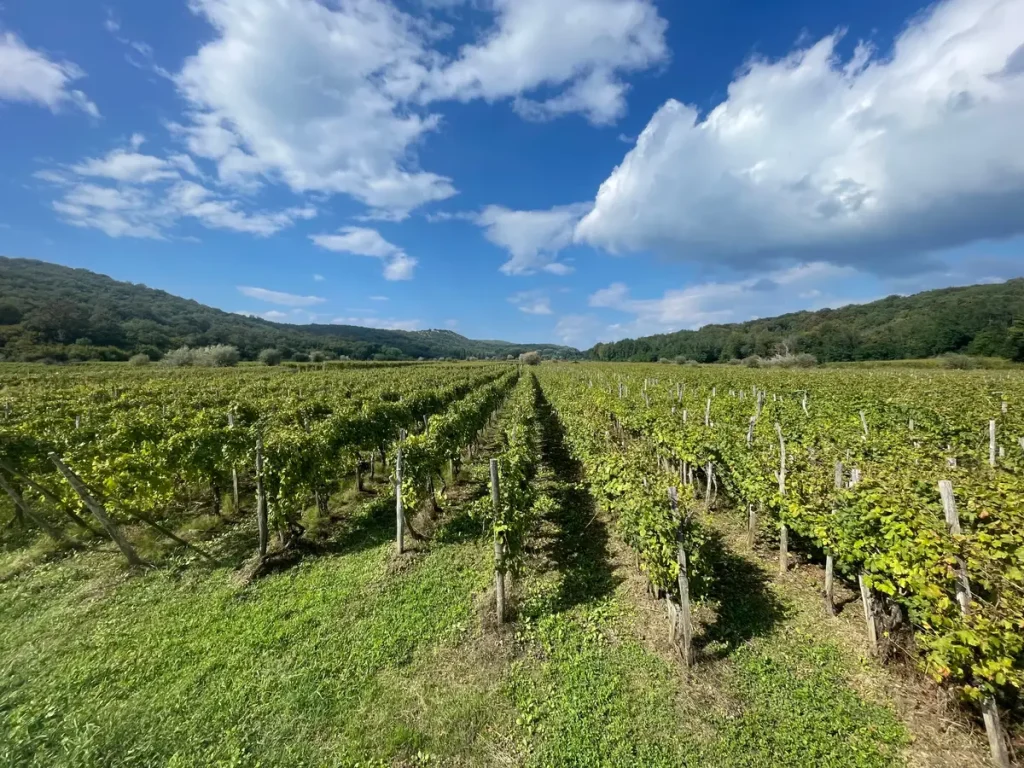
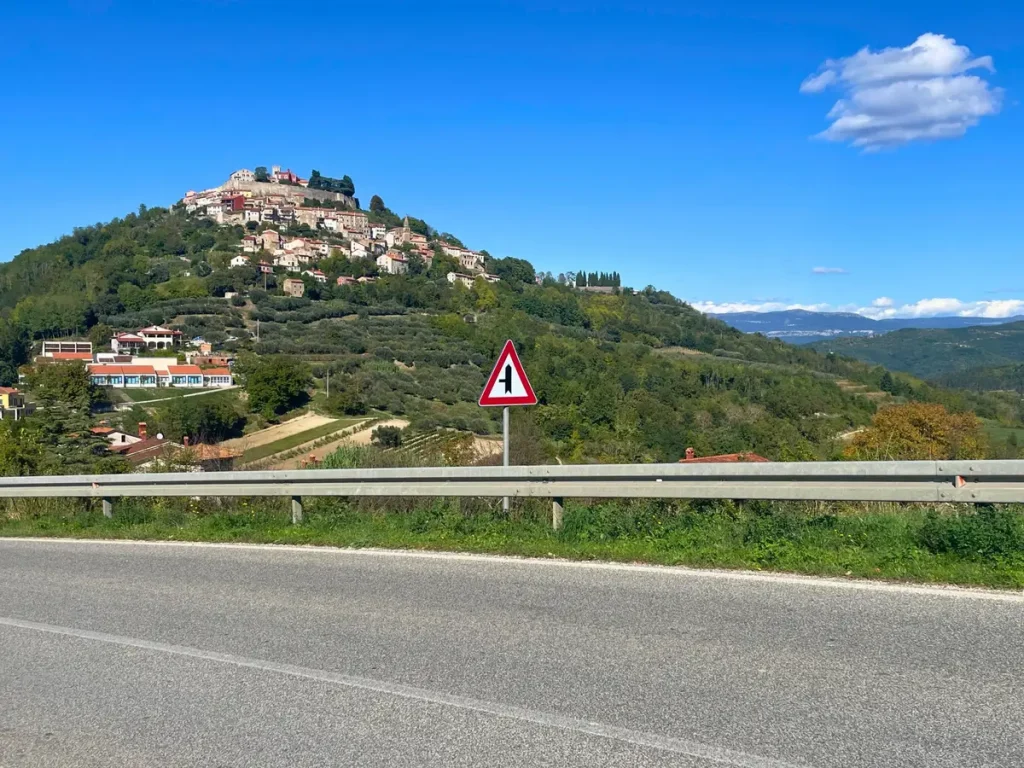
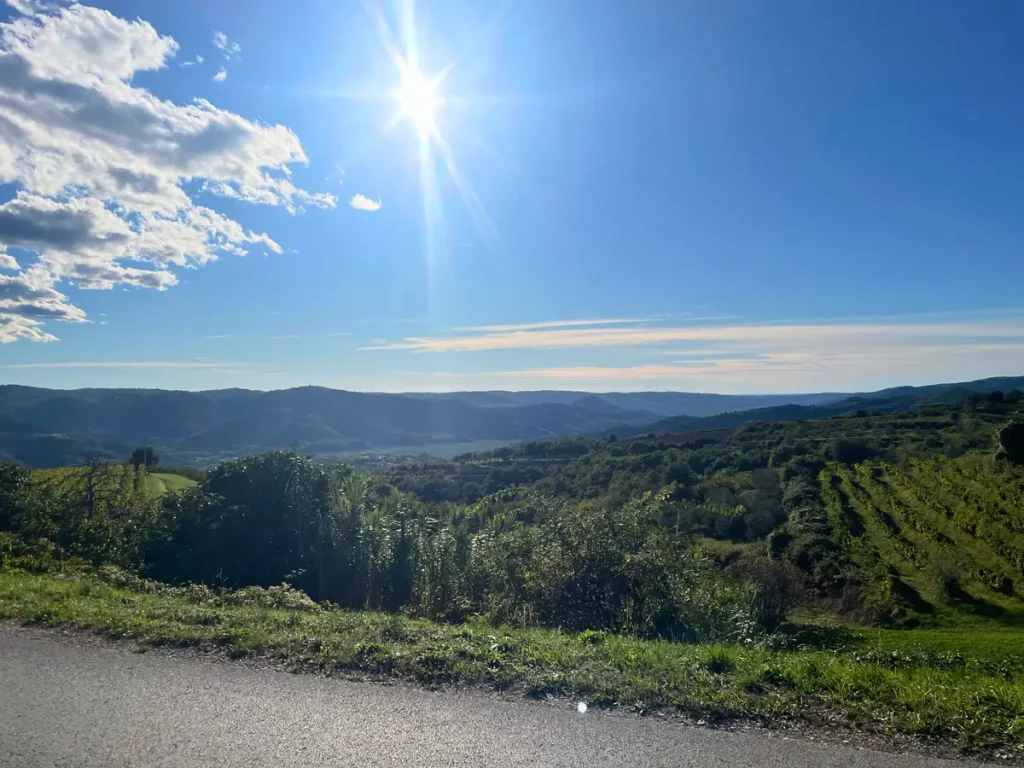
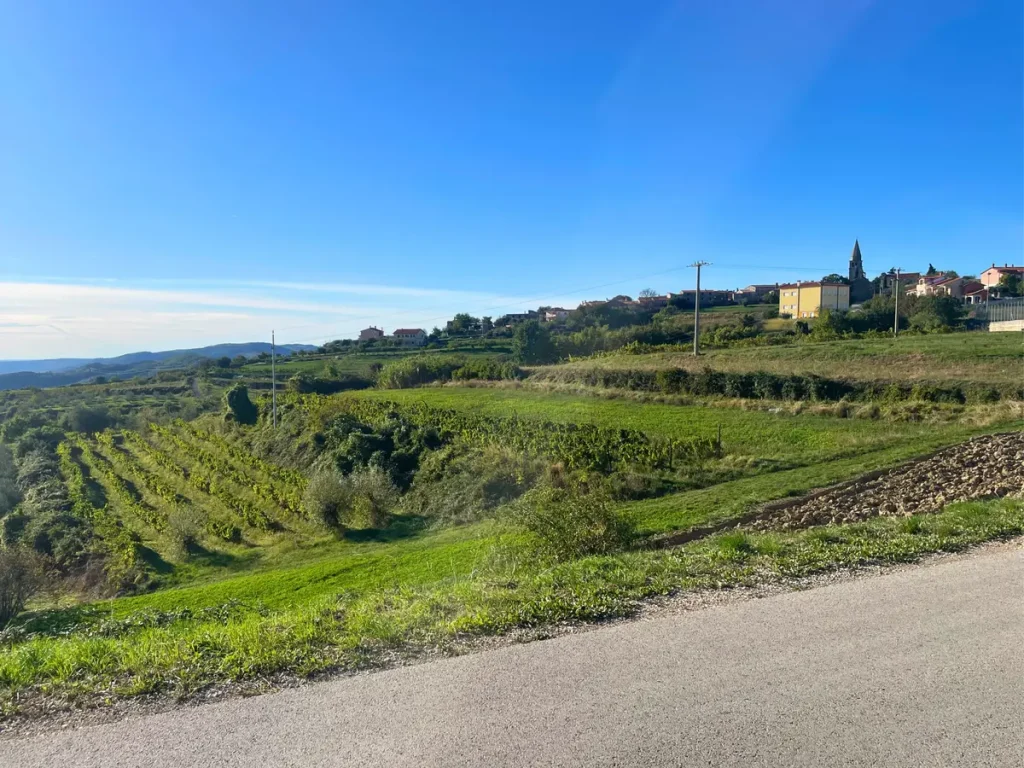
Often called “Croatia’s Tuscany,” inland Istria is a land of rolling hills, vineyards, olive groves, and medieval hilltop towns with a strong Italian influence.

Character: Scenic countryside of vineyards, olive groves, and historic towns where Italian and Croatian culture meet.
Highlights: The Opatija Riviera with its coastal roads and villas, Motovun’s medieval hilltop old town, and the climb up Učka Mountain, a Cro Race classic.
Climbs: Mostly rolling hills that build elevation over long rides, with Učka as the region’s standout test.
Routes: From Njivice, a round trip along the Opatija Riviera is about 160 km, including passage through Rijeka — challenging, but doable. For deeper inland riding, a car transfer is preferable.

👉 Rideable year-round. Winters are mild but wetter.

Istria

Cres Island

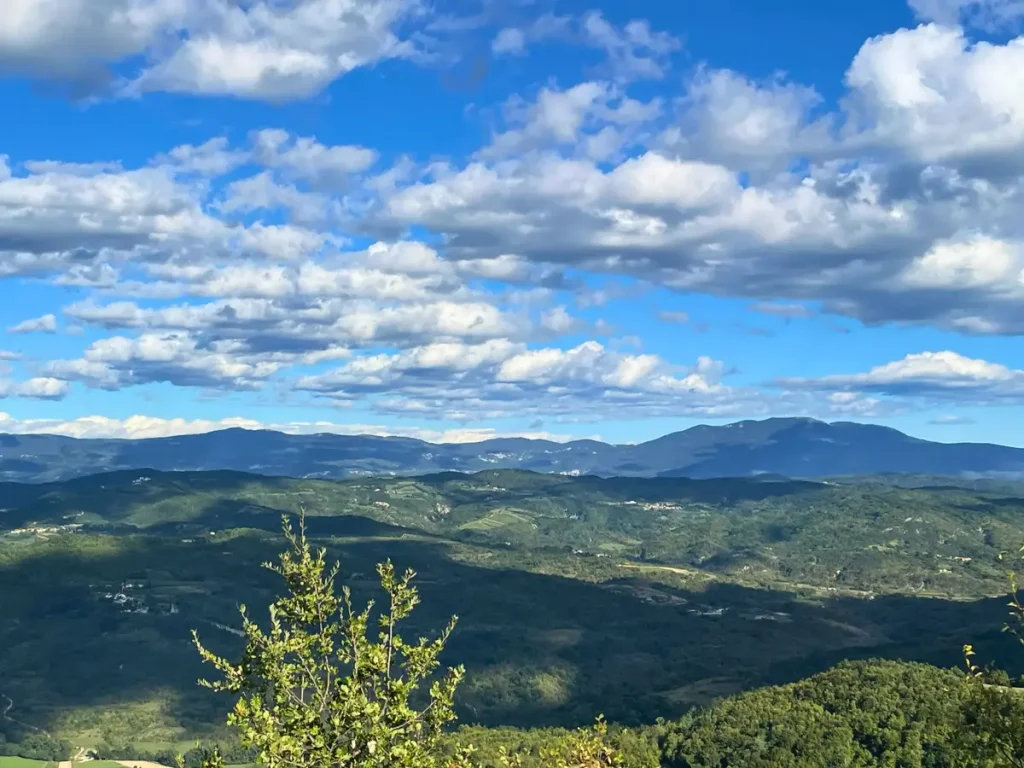
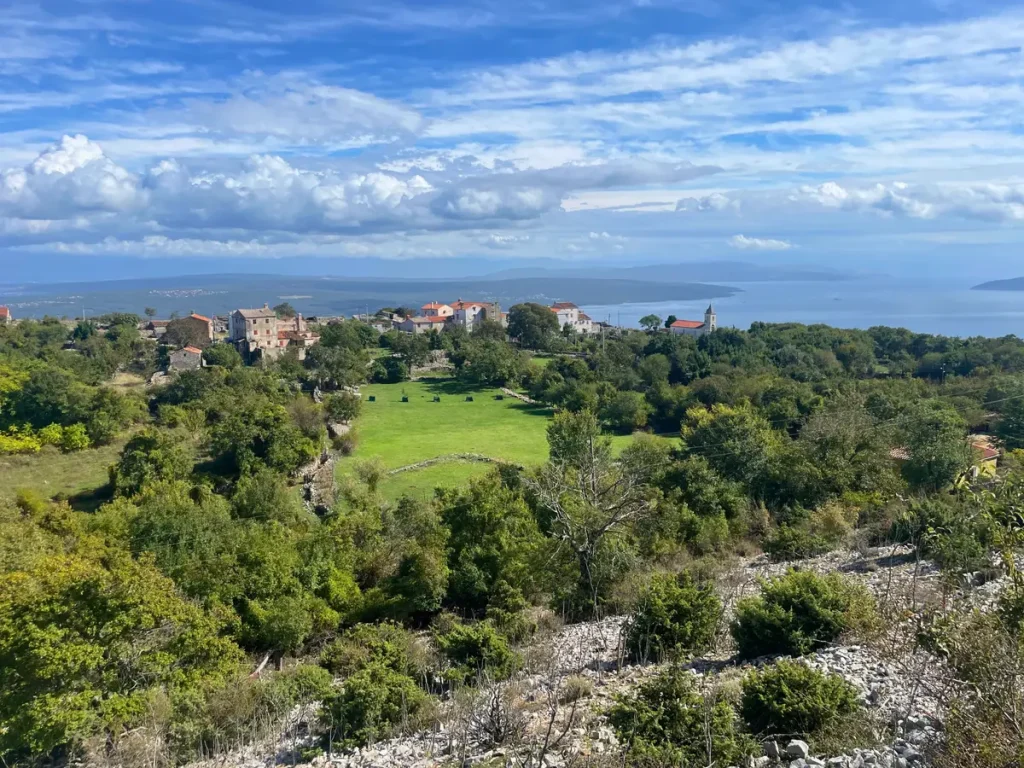
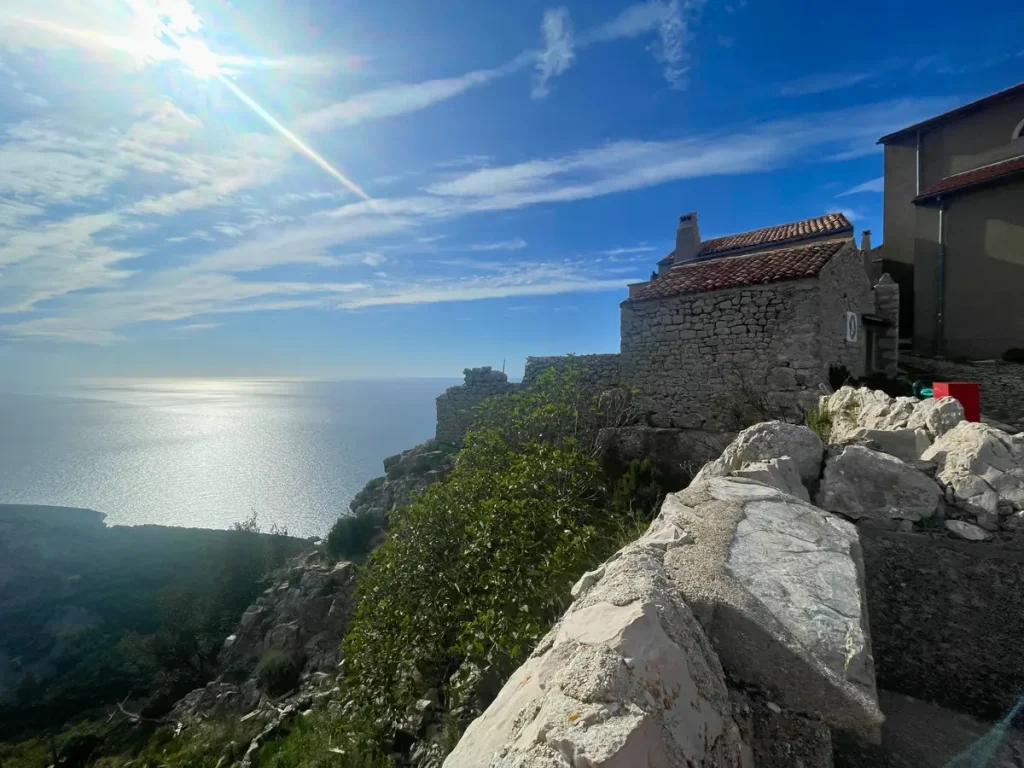
A 20-minute boat trip from Krk takes you to Cres — Croatia’s second largest island, quieter, wilder, and one of the most beautiful places to ride in the Adriatic.

Character: Remote and peaceful, with rugged landscapes, stone villages, and views that stretch across the Adriatic.
Highlights: The northern and central parts of Cres offer the most rewarding rides, with breathtaking views of the mainland and surrounding islands.
Climbs: A mix of steady ascents and rolling roads that constantly test your rhythm.
Extensions: Ride the length of Cres and even cross onto Lošinj via the small connecting bridge for an even bigger island adventure.

👉 Rideable year-round, with a climate similar to Krk. Winters can be windy, and ferry connections less reliable.